


Designing an On-Board Battery Charger is a complex process. It requires knowledge and expertise in power electronics theory.
Charging an electric vehicle requires a high-power charger to supply power to the batteries. In addition, the EV charger must meet safety standards.
Power
Electric Vehicle (EV) batteries require charging in order to maintain power supply. This is done through battery-chargers that convert ac power from the vehicle's power grid into dc to charge the batteries.
The main consideration for on-board battery chargers is to ensure that they do not overcharge the batteries or overload them, which can result in a failure of the system. In addition, an on-board battery charger should be able to support a wide range of charging modes, including fast and slow charging.
To meet these requirements, an on-board battery charger is typically designed as an integrated part of the EV, rather than a separate device. This eliminates some of the constraints that would arise from having a separate charger installed outside the vehicle, such as size, weight and cost.
However, this also means that an on-board charger is limited in terms of power. Fortunately, there are new designs that allow for higher power ratings.
For example, a three-level SEPIC converter can be used to provide a high power output for charging the EV's battery. This converter focuses on the reduction of voltage stress across switches and switching losses, which contributes to a higher switch rating and overall efficiency.
Similarly, feedforward control is used to regulate the output voltage/current duty ratio and prevent overcharging of the EV's battery. Moreover, the proposed converter can operate in constant conversion mode (CCM) for one switching period ensuring better power quality and reducing total harmonic distortion of supply current.
In addition, a three-level SEPIC based PFC converter is also proposed to improve power quality by reducing voltage stress and switching loss across switches. Moreover, the converter also offers improved efficiency by allowing for lower-voltage-rated switches and eliminating reverse recovery losses in the output diodes.
Voltage
Battery chargers often operate under dirty and humid conditions, so their designs must be able to withstand a variety of environmental factors. For this reason, they should have waterproof, dustproof, and shockproof mechanical designs.
One of the most important considerations for an on-board battery charger is voltage. This is because voltage affects the efficiency and lifespan of a battery.
A battery has a specific voltage, which is determined by the temperature of the cell. Therefore, the voltage must be regulated to keep it at a safe level.
Chargers can use a series or a parallel configuration to do this. In a series configuration, the voltages of two batteries are added together. This allows the battery to supply twice as much energy as a single battery.
In a parallel configuration, the voltages of several batteries are added together. This allows the battery system to supply twice as much energy, but for the same amount of time.
Because of this, it is crucial for an on-board battery charger to have a constant charge current that is not overcharged. Overcharging is not only harmful to a battery's life, but can also lead to thermal runaway.
On-board chargers should be able to monitor the charge current of a battery, and stop charging when it is overcharged. They should also have a float mode that can maintain a constant voltage indefinitely.
To achieve these goals, an on-board battery charger should use pulse width modulated (PWM) voltage source converters for the power line and a bidirectional DC-DC converter for the battery side. This dual purpose design is able to satisfy both requirements, while providing superior performance and a favourable cost structure.
Temperature
In order to operate at full power in high temperatures, battery chargers must be highly efficient and dissipate all the thermal heat generated by their components. This is particularly important for electronic devices, which are becoming thinner and lighter in recent years, causing a rise in their density and increasing the amount of heat that they produce.
For lithium-ion batteries, this effect is significant because temperature can accelerate the rate of "unwanted" chemical reactions that make the battery degrade faster. These include decomposition of active materials, oxidation of the solid electrolyte interphase (SEI) layer and the buildup of passivating films.
This is because high temperatures speed up chemical reaction rates and the energy produced by those reactions, which leads to a higher total system temperature. In addition, the increased temperature can reduce a battery's effective capacity due to the resulting loss of its overall efficiency.
To combat this, battery manufacturers often limit the upper operational temperature range to 50-60 degrees C. This allows the battery to be charged to a higher temperature than the one that it would otherwise be in, but at the same time limiting gas generation and premature aging.
These temperature limits have an important influence on the lifespan of a battery, so it is essential that on-board battery chargers be designed to work within these limitations. This is especially true for electric vehicles that use lithium-ion batteries, which are known to lose their capacity at higher temperatures and experience greater deterioration in performance at lower ones.
To mitigate this, on-board battery chargers can be designed to be able to pre-charge a battery prior to operating the device, and then charge it in a manner that maximizes the battery's lifetime while keeping the temperature low. This can be done by using a combination of different charging modes and by controlling the input to the charging base in relation to a battery's temperature.
Dimensions
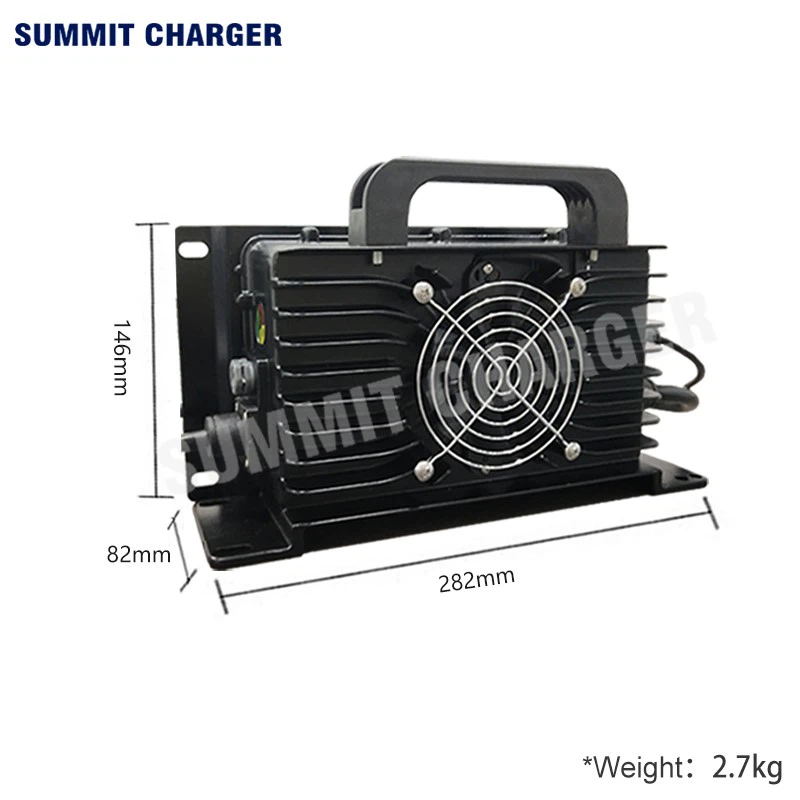

SMCZ1P-1.5kW

SMCZ2-2kW
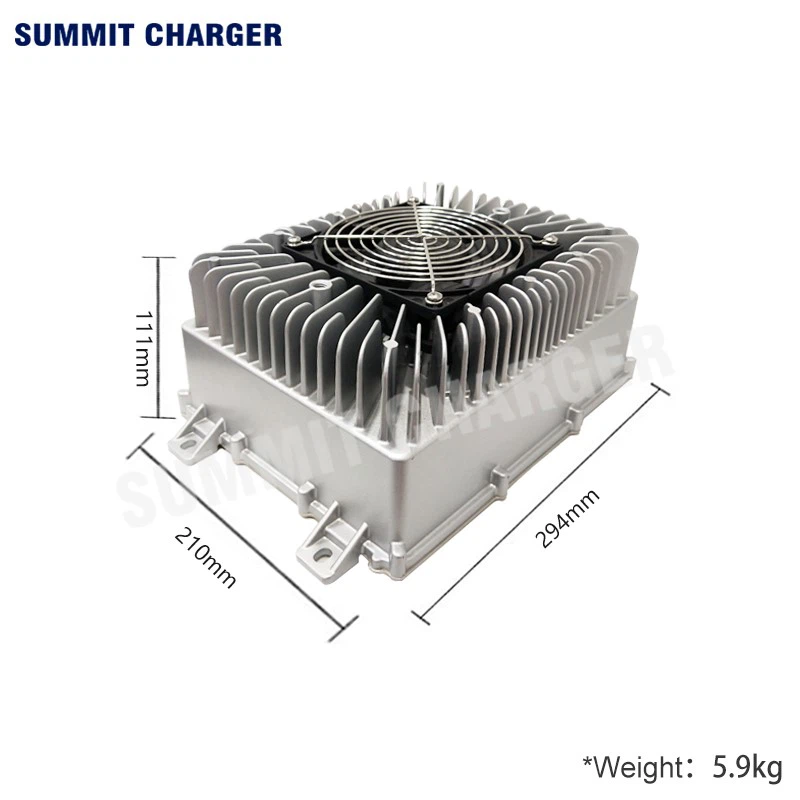
SMHC3-3.3kW
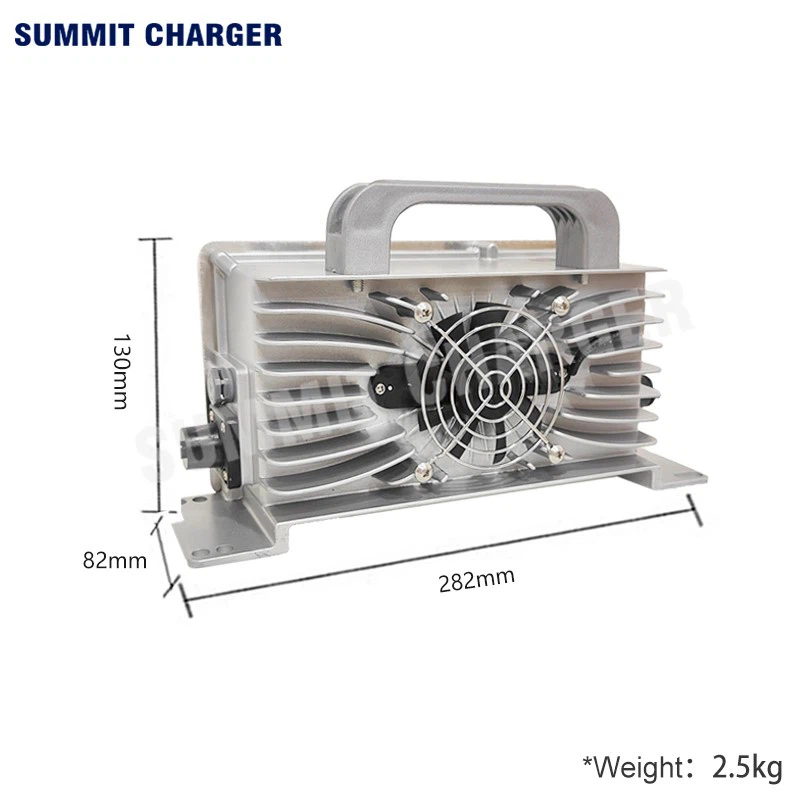
SMCZ6-1.4kW
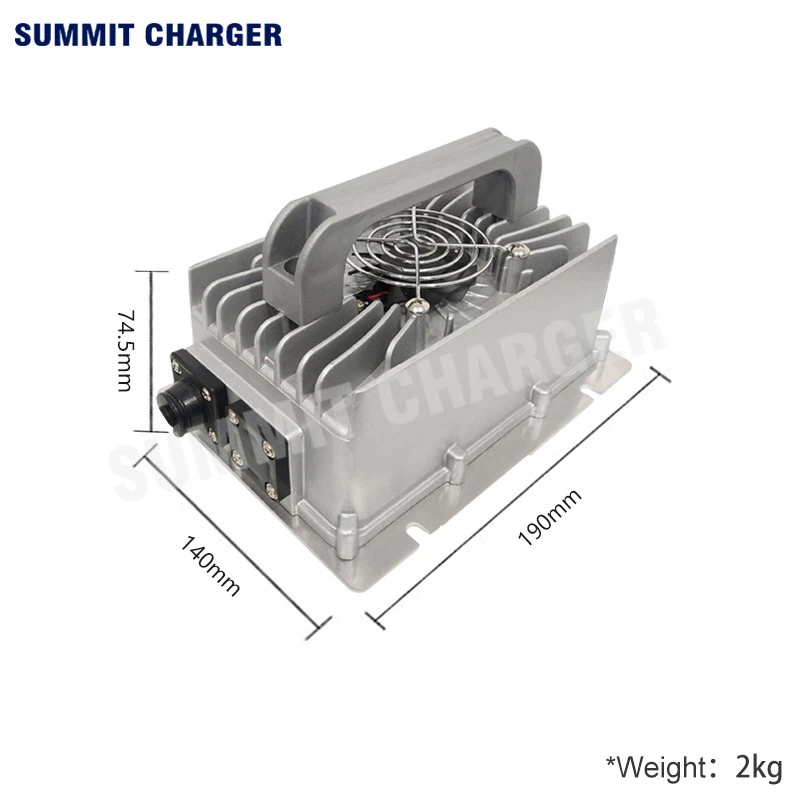
SMCZ7-800W

SMCZ1E-1.5kW / RE1500
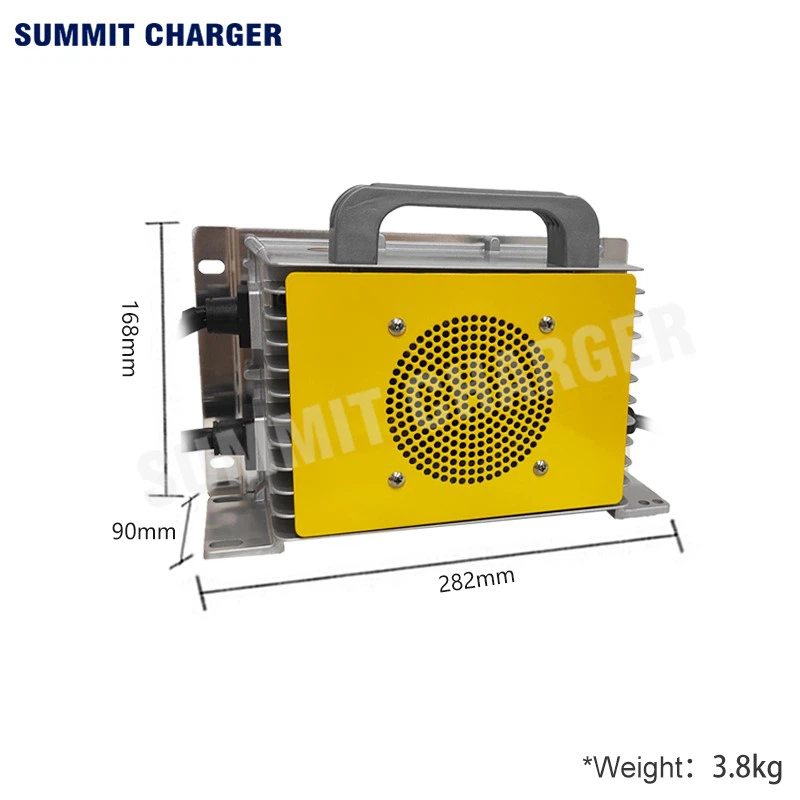
SMCZ2E-2kW / RE2000
The on-board battery charger (OBC) is the key component that manages the flow of electricity from the power grid to the electric vehicle. This is done through a process called power electronics, which controls the flow of voltage and current through the DC link to the batteries. The charger should be designed to work on both single-phase and three-phase AC supplies. It should also be compact and lightweight. This is a challenge, since the design must comply with many requirements of the local power grid. It should also be built to be able to handle the weight of the battery.